

Marketing Automation Landscape: A Practical Guide
The marketing automation landscape is now too large to understand by vendor logo alone. Chiefmartec's 2025 market map counts 15,384 solutions across 49 categories, up 9% year over year, and 100X larger than the market in 2011. Most teams feel that sprawl every day in disconnected tools, overlapping features, and unclear ownership.
This guide gives you a cleaner map. We'll define what marketing automation means in 2026, break the landscape into five working layers, highlight the forces reshaping it, and show how to decide what actually belongs in your martech stack. For creative and operations leaders, that last part matters most.
Table of contents
What "marketing automation" means in 2026
Marketing automation is the set of technologies that runs marketing processes – campaign execution, segmentation, lead nurturing, journey management, and measurement – across channels with minimal manual input.
That definition used to describe mostly email workflows and rule-based triggers. Now it includes AI marketing automation systems that can score intent, update audiences in real time, predict next best actions, and adjust journeys based on behavior.
In simple terms: traditional marketing automation relied on fixed rules, static segments, and manual testing. Modern marketing automation uses machine learning, dynamic audiences, and adaptive journey logic. The category did not disappear. It expanded.
The layers of the marketing automation landscape
The easiest way to understand the marketing automation landscape is to stop thinking in brand names and start thinking in layers.
Data layer
This is the foundation. It includes customer data platforms (CDPs), cloud data warehouses, identity tools, consent systems, and data pipelines. Chiefmartec notes that in B2C and hybrid stacks, cloud warehouses are taking more center-of-stack share from CDPs, which is why "composable CDP" has become part of the current architecture conversation.
In practical terms, this layer collects, cleans, stores, and distributes the data used by everything above it. It also increasingly connects to digital asset management (DAM) systems, including a DAM integration for dynamic content production, so metadata and approved assets can feed downstream execution.
Decisioning / orchestration layer
This is where the system decides what to do next – and, increasingly, what to do without being told. It includes marketing automation platforms (MAPs), customer engagement platforms (CEPs), customer relationship management (CRM) workflows, and journey orchestration tools.
The defining shift in 2026 is from rule-based "if this, then that" logic to AI and agentic systems that score intent, choose the next action, generate copy variants, and trigger sequences autonomously.
In many B2B environments, CRM and MAP still sit at the center of the stack, but they are now being layered with AI agents that handle decisions humans used to make. The important point is functional overlap: one vendor may call itself a CEP while doing MAP work, and another may handle orchestration through CRM logic.

Channel execution layer
This is the delivery layer: email, SMS, push, web, in-app, social, paid media, direct mail, and more.
The big shift is that these channels are no longer managed as separate lanes – and increasingly, not by humans alone. They are orchestrated from shared signals and shared logic, with AI choosing channel, timing, and content variant in real time.
Teams are moving from "run five campaigns in five tools" to "run one coordinated journey across touchpoints," with agentic systems handling the routing decisions a campaign manager used to make by hand.

Creative & content layer
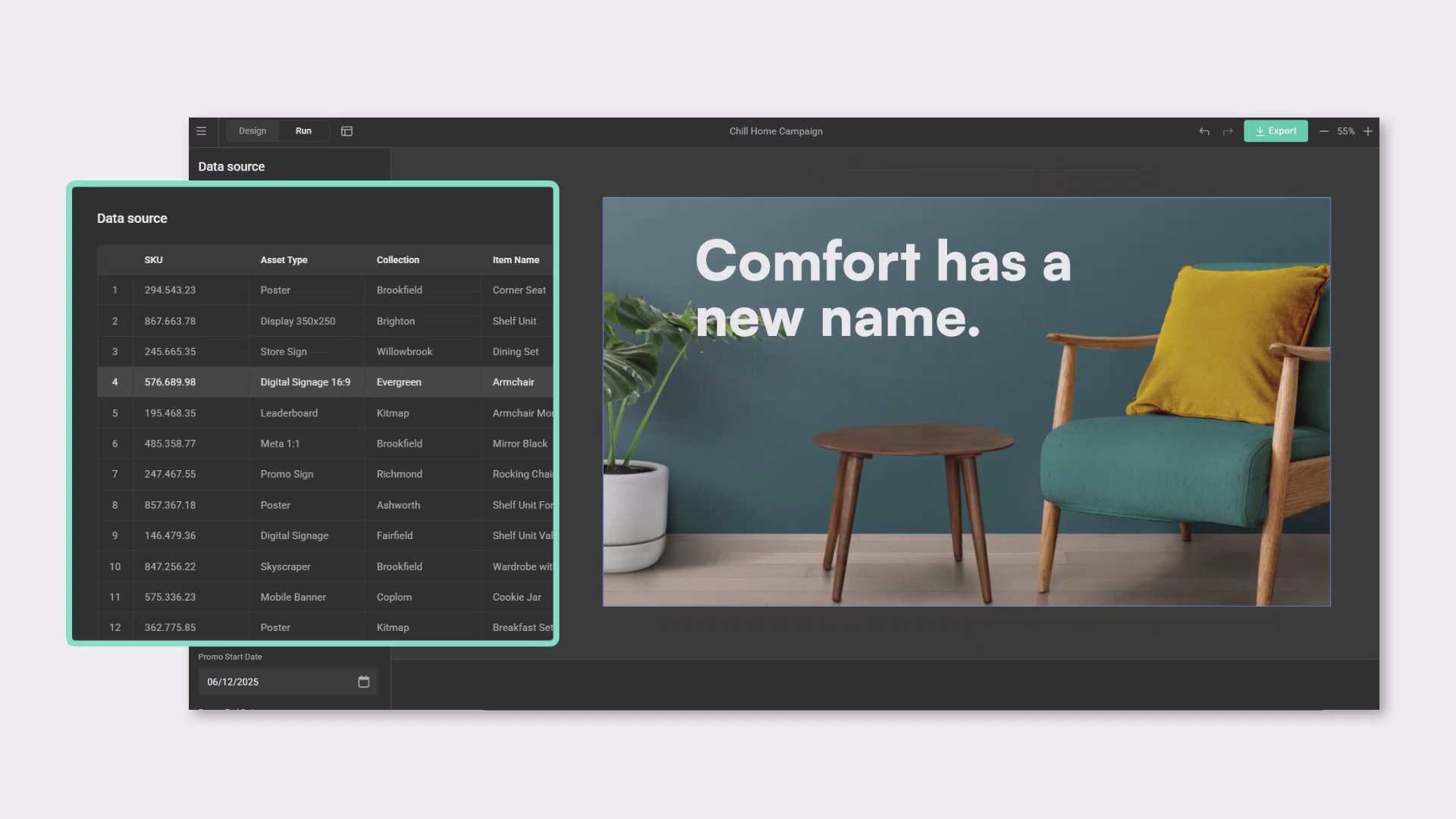
This layer is still missing from many market maps, but it is where personalization either works or breaks. It includes brand asset management, reusable layouts, dynamic creative, design systems, creative automation, and content production workflows.
The design function itself looks very different in 2026 than it did three years ago: generative AI tools like Adobe Firefly and Nano Banana produce on-brand variations in seconds, collaborative platforms like Figma and Canva have replaced linear handoff with shared canvases, and creative automation systems like CHILI GraFx connect media, data, and brand rules so content can be produced at scale.
The work has moved from manual layout of single assets to orchestration of templates, rules, and AI-generated content – with humans focused on direction, quality, and brand integrity rather than pixel-pushing.
This shift sits beneath every trend in this guide: hyper-personalization, omnichannel orchestration, and even agentic outbound all depend on a creative function that can keep up.

Measurement & analytics layer
This layer tells you what worked. It covers attribution, pipeline reporting, media performance, predictive analytics, experimentation, and return on investment (ROI) tracking. It also closes the loop by feeding performance data back into decisioning. Without this layer, automation becomes activity without learning.
The landscape is best understood by which layer a tool sits in, not by the size of its logo on a chart.
Five forces reshaping the landscape
AI and agentic marketing
The biggest shift is from rule trees to models – and from analysis to action.
Teams use AI to score leads, predict churn, optimize send time, and adapt journeys based on live signals. They also let AI run the marketing itself: agentic workflows handling outbound and account-based marketing (ABM) programs end to end, content generation feeding personalization pipelines, and generative engine optimization (GEO) – a category that did not exist three years ago, now reshaping how brands compete for visibility in AI-driven search.
HubSpot's 2025 AI Trends for Marketers report finds that 75% of leaders whose organizations have invested in AI say it has yielded a positive ROI. That matters because AI is no longer a side feature. It is becoming the logic engine inside the stack.
Hyper-personalization at the individual level
Personalization is moving past static segments. Teams now aim to react to live behavior, recent purchases, location, timing, and context.
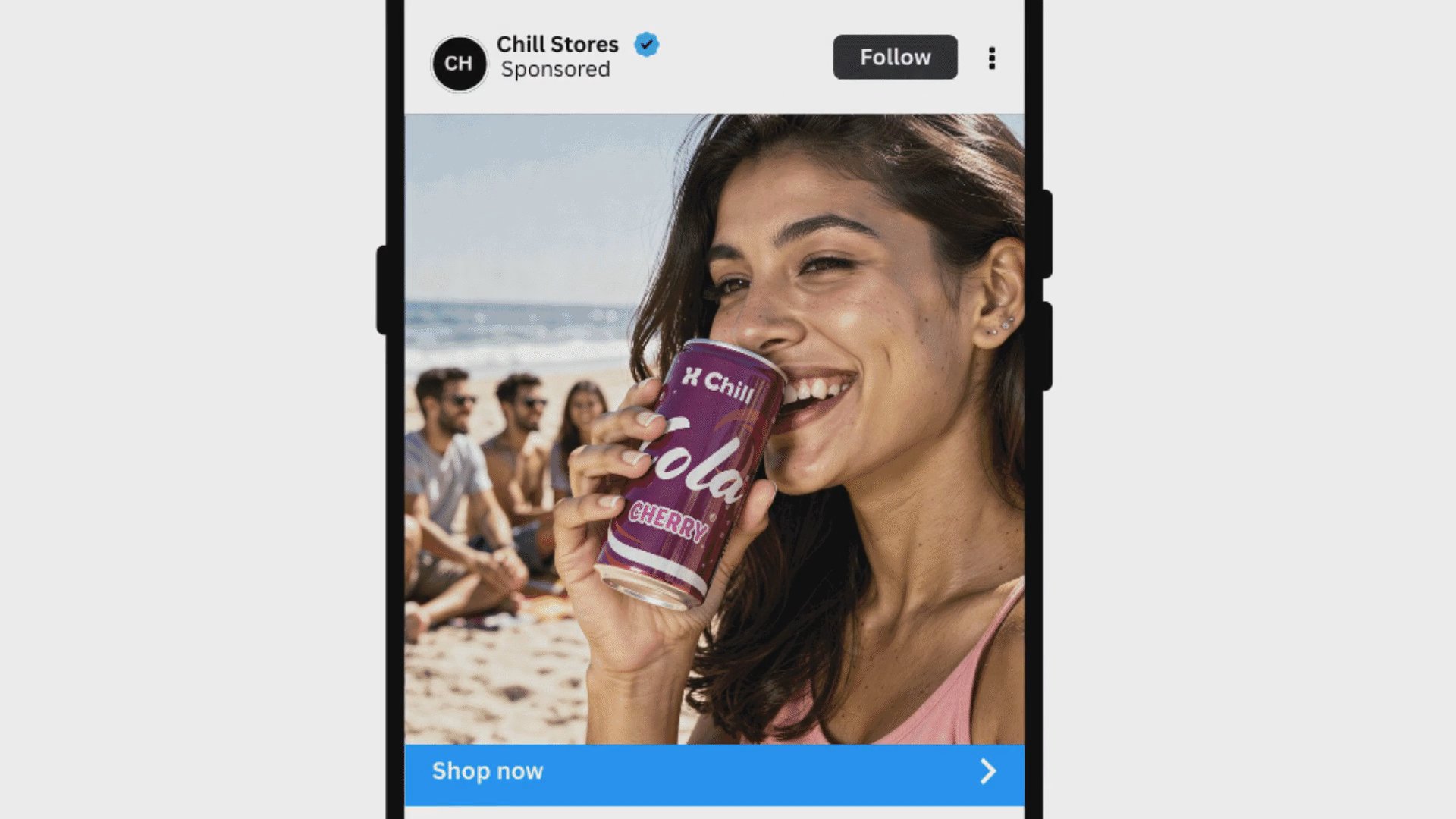
But there is a real bottleneck: creative volume. Salesforce's 2026 State of Marketing report finds that 78% of marketers say they need more personalized content than they can produce. Personalization fails when the stack can identify the right message but cannot produce enough approved assets to support it.
That is why variable data personalization and integrated brand management matter more than they did a few years ago.
Omnichannel orchestration
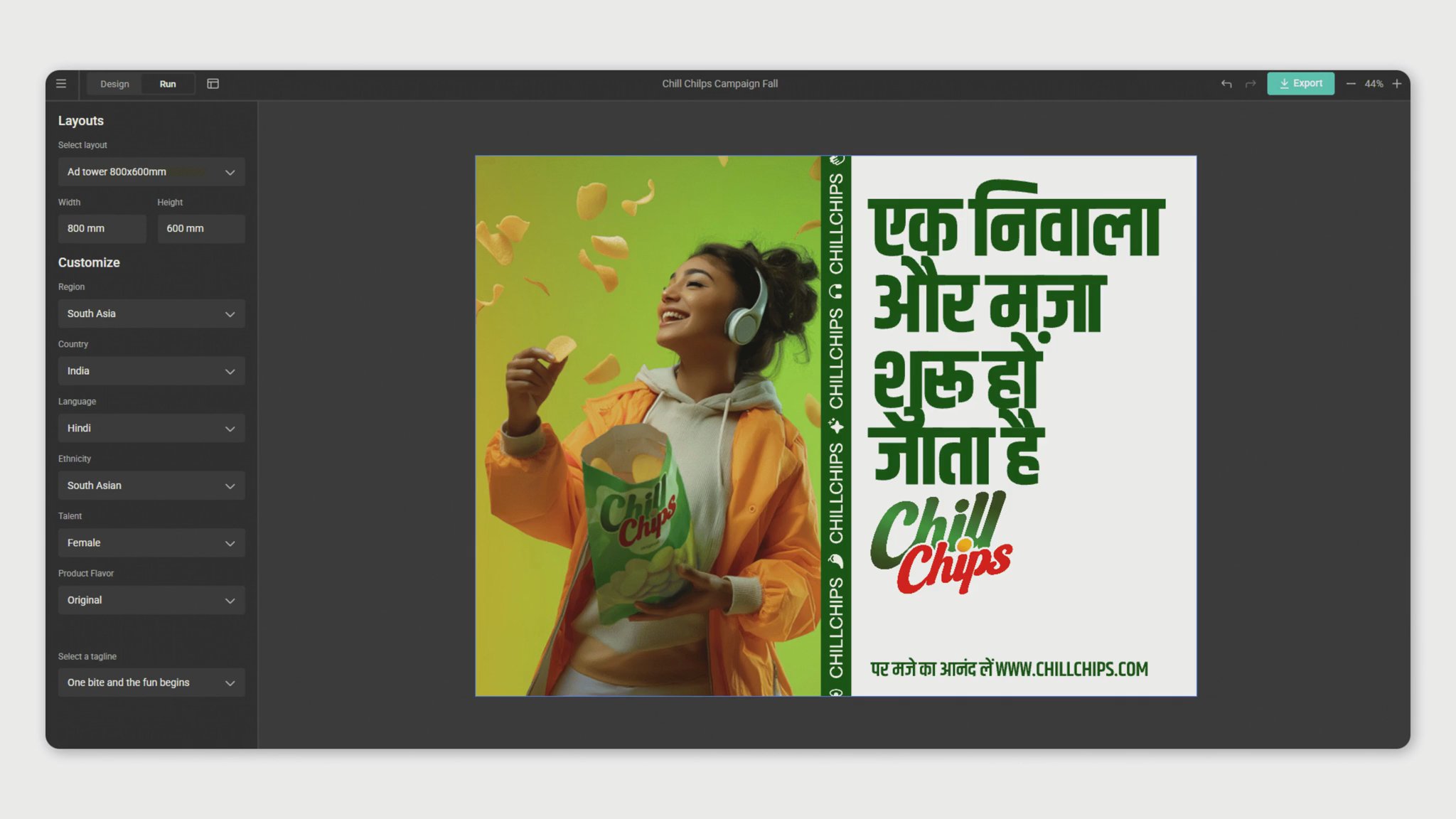
Customers do not experience your organization by channel. They experience one brand across moments. That is pushing teams toward unified journey planning, shared data, and coordinated execution.
Omnisend's analysis of more than 135,000 e-commerce campaigns found that those using three or more channels achieved a 494% higher order rate than single-channel campaigns. The upside is clear. The harder part is operational: the stack must keep timing, messaging, and creative aligned across touchpoints.

Privacy-first automation
Privacy is no longer a compliance sidebar.
The General Data Protection Regulation (GDPR), the California Consumer Privacy Act (CCPA), and the decline of third-party cookies have pushed first-party data, consent management, and privacy-by-design into the core architecture of marketing automation platforms.
This changes how teams collect signals, how audiences are built, and how personalization is justified. It also raises the bar for governance because the data layer now carries legal weight, not just targeting value.
No-code and the "hypertail"
The landscape is expanding from both ends.
On one side, no-code marketing automation tools give marketers drag-and-drop control over journeys, logic, and content flows.
On the other, chiefmartec describes a hypertail of AI-built and custom-built applications appearing inside companies for narrow use cases.
That trend is measurable: the "Other" category – which includes custom-built martech platforms – rose from 2% to 10% of B2B stack centers in one year. The result is more flexibility, but also more complexity.
How to evaluate what belongs in your stack
Start with the job to be done, not the category label. "Journey orchestration" may live in a MAP, a CEP, a CRM workflow engine, or a CDP, depending on the vendor. The name on the box matters less than the outcome it can support.
Next, audit overlap. Most organizations discover the same capability spread across two or three systems. That creates cost, governance issues, and process confusion. If you are expanding your MarTech stack, rationalization should come before new buying.
Then score every tool against four dimensions: data flow in and out, decisioning ability, channel coverage, and creative-feed capacity. That last one gets missed. A tool may orchestrate channels well and still fail because it cannot supply enough on-brand content variants.
Finally, factor in vendor stability. Chiefmartec reports 8.6% churn across the martech landscape. Well-funded martech companies from the 2010s are still being acquired, folded, or shut down. Longevity matters.
Measuring ROI from the landscape you build
You can track marketing automation ROI with a small set of metrics: customer acquisition cost, cost per lead, conversion rate, customer lifetime value, and payback period.
A practical formula from Connection Model is:
Adjusted ROI = (Sales growth − organic growth − automation cost) / automation cost
There is also a harder ROI question that many teams ignore: creative throughput.
How many personalized, localized, channel-ready assets can your stack actually produce without adding people or delays? In many organizations, that is where ROI is either created or capped. Bain & Company's classic retention research found that a 5% lift in customer retention can raise profits by 25% to 95%, depending on industry, which raises the stakes for getting orchestration and personalization right.
The marketing automation landscape is large, but it is not random. Map it by layers, not logos. The direction of travel is clear: more automation, more agentic, more personalization, more privacy, and more orchestration. The real differentiator now is whether your stack can execute fast enough through the creative layer to keep up.
If creative production is the bottleneck in your automation strategy, see how CHILI publish powers personalization at scale
Companies who love CHILI publish


